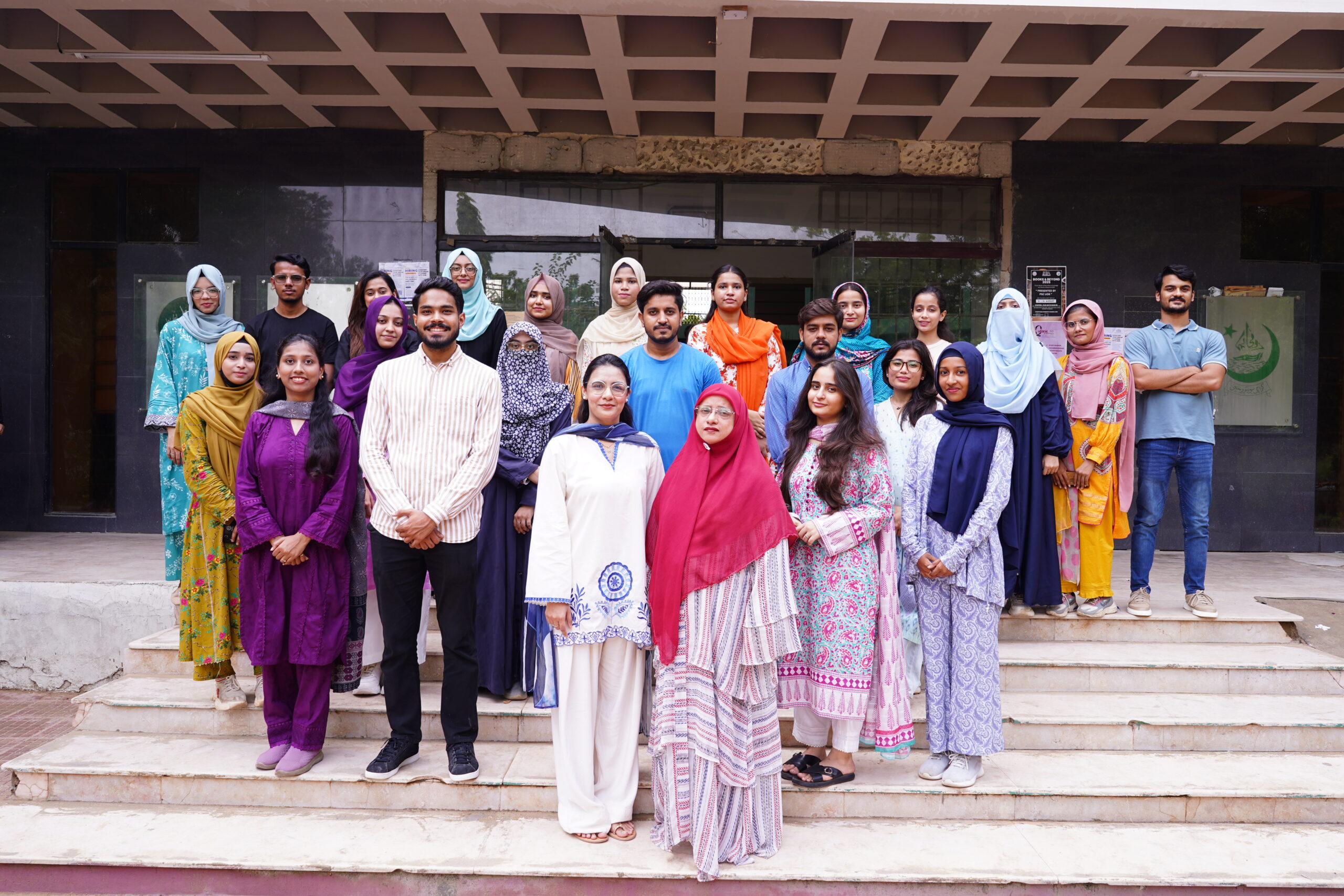
We grew up watching our parents wear stress like second skin. They worked long hours, missed family dinners, and often sacrificed their well-being for a paycheck. As Gen Z is stepping into the workforce, we’re being told to follow the same path and we’re not buying it.
Why should we glorify burnout when we’ve seen exactly what it breaks?
Job titles and the appearance of stability are not what we are after. Purpose is what we are after. We are looking for job that prioritizes people over procedures. We want flexibility over set hours, creativity over clock-ins, and mental wellness to be just as important as meeting deadlines. However, we are frequently misinterpreted branded as soft, lethargic, or “too different” to fit in instead of being viewed as change agents.
The Struggles We Walk Into
Let’s be honest: Entering the workforce today often feels like crashing a party we were never invited to. Gen Z workers often walk into boardrooms filled with skepticism. We get labeled “too sensitive” or “glued to our phones.” Some assume we crumble under pressure, or worse, that we can’t commit long-term.
But let’s be real. We’re navigating a world that’s drastically different from what it was even a decade ago. We grew up with screens, survived a pandemic, watched economies tank, saw the world burn (sometimes literally), seen how fragile “stability” can be and somehow, we’re still here trying to build something better. Yes Of course we think differently. Because this has shaped us to be agile, tech-savvy, and purpose-driven. And yet, instead of understanding that, many companies treat our concerns especially around mental health, burnout, and outdated hierarchies as whining.
We aren’t fragile. We’re aware.
Still, instead of adapting, workplaces expect us to adjust to systems that feel frozen in time. We’re told in-person meetings are the only way to get things done meanwhile, we’ve built entire lives, side hustles, and businesses from our phones. We’re expected to prove loyalty by sitting at desks from 9 to 5, when results speak louder than attendance.
And despite being digital natives with fresh ideas and sharp problem-solving instincts, we’re boxed into junior roles with barely any room to breathe, let alone grow.
What They Get Wrong About Us
There are plenty of misconceptions about Gen Z that keep us from being seen for who we truly are so let’s clear the air:
• “Gen Z job-hops too much.”
If a company isn’t offering growth, respect, or work-life balance, why would we stay?
Loyalty should be earned, not expected.
“While job mobility among younger workers is more common, it’s typically driven by a pursuit of growth, better opportunities, or alignment with personal values not a lack of loyalty.”
— TriQuest
• “They can’t focus, they’re always on their phones.”
Yes, we’re on our phones, but we’re also multitasking, learning new skills, managing tasks, and staying productive.
The digital world is where we grow.
“From smartphones to smart TVs and voice-controlled assistants, connected devices have transformed the way consumers multitask in their daily lives.”
— PYMNTS
• “They lack discipline and work ethic.”
We’re redefining work ethic.
For us, it’s about working smart and efficiently, not burning out for the sake of looking busy.
“Gen Z is not lazy; they are simply redefining what it means to work in a modern context.”
— Forbes
Why the Old System Isn’t Working
Stats say it loud and clear:
A 2023 Deloitte survey found that nearly 50% of Gen Z workers feel stressed most of the time at work, and 46% are dissatisfied with their work-life balance.
This isn’t just about being unhappy, it’s about a system that’s failing to adapt.
We’re witnessing high turnover rates, quiet quitting, and a growing disconnect between leadership and employees.
It’s not that Gen Z is “difficult”, it’s that we’re tired of being told to fit into a system that’s clearly broken.
When management styles are rigid, communication is top-down, and creativity is stifled, it’s no surprise that we start disengaging.
What We Actually Want (and Need)
We’re not asking for bean bags and pizza Fridays. The thing is that what worked for older generations no longer suits us. We need:
• Flexibility: Remote work, hybrid options, and flexible hours aren’t perks anymore, they’re expectations.
“Gen Z is demanding workplace flexibility. Remote, hybrid, and other forms of flexible working are some of the wellbeing initiatives Gen Z expect from employers.”
— Verdict
• Mental health support: Burnout shouldn’t be a badge of honor. Access to therapy, mental health days, and a culture that values well-being is crucial.
“Gen Zers and Millennials expect more employer support for mental health. To promote workforce mental health and well-being, HR/benefits teams should make digital mental health tools and better sleep for everyone priorities.”
— Calm
• Value over hierarchy: We don’t want to wait for our turn. Skills and ideas should matter more than years of experience.
“Gen Z’s curiosity and flexibility make transferable skills, the skills that apply across various jobs and contexts, essential. This generation knows that their experience in one role often makes them better in another, and they’re bringing that belief into every job.”
• Open dialogue: Workplaces need to stop being afraid of feedback. If we point out problems, it’s not rebellion, it’s a call for progress.
“Gen Z views feedback as a continuous dialogue rather than a one-time event. They appreciate frequent check-ins, real-time feedback, and constructive criticism.”
— Ambersof
A Roadmap for Change
If companies want to survive in this new era, they need to stop treating Gen Z like an issue and start seeing us as an opportunity. it’s high time to meet us halfway. Here’s how:
1. Redesign leadership pathways: Offer mentorships, skill-based growth, and early leadership opportunities that aren’t just reserved for the “experienced.”
“I want leadership to feel collaborative where I can still be hands-on with creative work and innovation rather than just overseeing people.”
2. Make mental health part of the culture: Not just webinars or once-a-year sessions. We need daily habits, safe spaces, and emotional intelligence in leadership.
“Much of Gen-Z cares deeply about their mental health and well-being. They’re arguably the first generation to be this committed to it and to speak so openly.”
— Forbes
3. Rethink productivity metrics: Don’t just measure hours worked, measure impact. Let go of the 9-to-5 obsession if the job gets done better another way.
“Gen Z seeks experiences, learning, and emotional welfare. While previous generations focused on money and hard results, Gen Z desires growth and well-being.”
— WeWork
4. Bridge generational gaps: Encourage intergenerational conversations and collaborations. We have so much to learn from each other, if we just stop assuming the worst.
“Practicing empathy across generational divides is key to improving team collaboration and creating better business and individual outcomes.”
5. Listen more, assume less, Before dismissing Gen Z’s ideas or concerns, try understanding the context we come from. We’re not trying to destroy the system we’re just trying to make it work better for everyone.
“Gen Z employees are feeling disconnected. Here’s how employers can help.”
The workplace is changing, whether corporate culture is ready or not. And Gen Z? We’re not the problem. We’re the wake-up call.
We’re not lazy, entitled, or unrealistic. We’re just done pretending that outdated systems are okay. We want to build workplaces where people don’t have to lose themselves to earn a living.
So, no we’re not going to “tough it out” for the sake of tradition. We’re here to do things differently. To work smart, live fully, and leave things better than we found them.
Gen Z isn’t a glitch in the system. We’re the upgrade. Either evolve with us, or get left behind because the future of work won’t wait and neither will we.
Let’s stop treating Gen Z as a problem to fix and start seeing us as partners in progress.

Abeeha Asad
Abeeha Asad is the social media manager, content creator, editor, event manager, interviewer for profile features, feature writer, scriptwriter, and content writer at MediaVerse. She is currently a student in the Department of Mass Communication at the University of Karachi.
Abeeha Asad
Abeeha Asad is the social media manager, content creator, editor, event manager, interviewer for profile features, feature writer, scriptwriter, and content writer at MediaVerse. She is currently a student in the Department of Mass Communication at the University of Karachi.
YOU MIGHT ALSO LIKE

Celebrating the Passion of Nayyar Alvi by Remembering the True Spirit of Journalism
The passion used to exist decades back, some twenty-five years ago, before his pen finally…

With Him, They Conquer
On my morning commute to university, I witnessed a small, quiet moment: a father dropping…

LONG LIVE THE COMPUTERS
It has finally happened. All those wild futuristic movies about robots replacing, displacing, and inevitably…

FROM TABOO TO TALK
There was a time when the word period was never said aloud, not in schools,…

A GENERATIONAL TRAUMA ASKING FOR SPEAK OUT
After receiving my offer letter for an IT internship, I stepped into what I thought…
OUTDATED WORK? GenZ SAYS NO
We grew up watching our parents wear stress like second skin. They worked long hours,…